What Is the Attention Economy? And Why Your Focus Is the Product
You can't look away from your screen. That's by design. A look at how your focus became the internet's most valuable commodity—and how the fight for it shapes your world.

The Currency Isn't Clicks, It's Your Consciousness
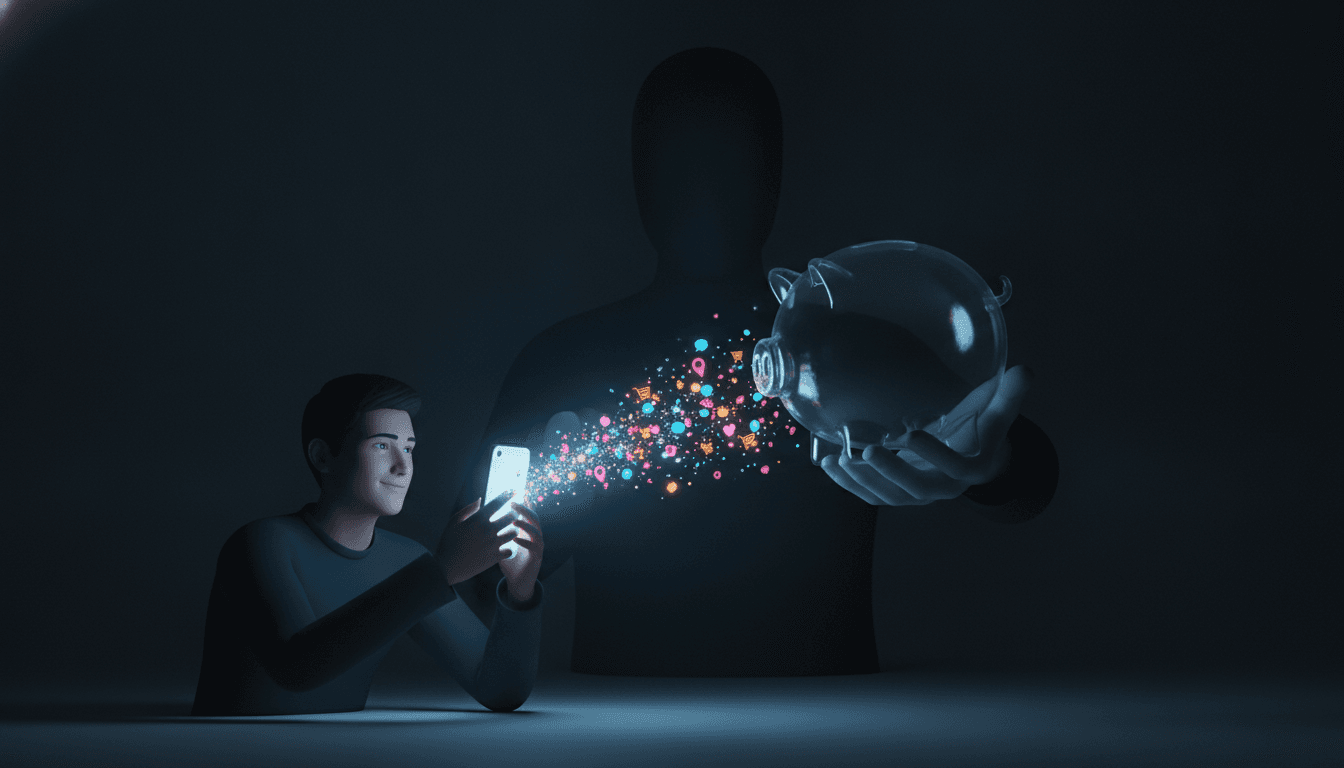
Five billion people are online. And every single second of their awareness is a resource being fought over. That's the bedrock of the modern internet. Every notification, every auto-playing video, every rage-bait headline is a calculated bid in a relentless, high-stakes auction for a piece of your mind. Welcome to the attention economy. The concept is simple: in a world drowning in information, your attention is the scarcest resource. It's the most valuable thing. So if you aren't paying for the platform, you're not the customer. You're the product being sold. Platforms like Meta, Google, and TikTok are just the brokers, offering you 'free' services in a trade—they get to capture, analyze, and sell moments of your life to the highest bidder.
This idea isn't new. Not by a long shot. Nobel Prize-winning economist Herbert A. Simon saw it coming way back in 1971, long before the first iPhone. He wrote, "in an information-rich world, the wealth of information means a dearth of something else: a scarcity of whatever it is that information consumes... it consumes the attention of its recipients." What felt theoretical then is now the engine of the digital world. In the 1990s, writer Michael Goldhaber went further, predicting this fight for eyeballs would become the internet's main economic force. They were right. The financial proof? Global net advertising revenue hit $853 billion in 2023, according to an analysis Forbes cited. That’s an almost incomprehensible price tag on your gaze.
How the Attention Economy Works: The Engineering of Engagement
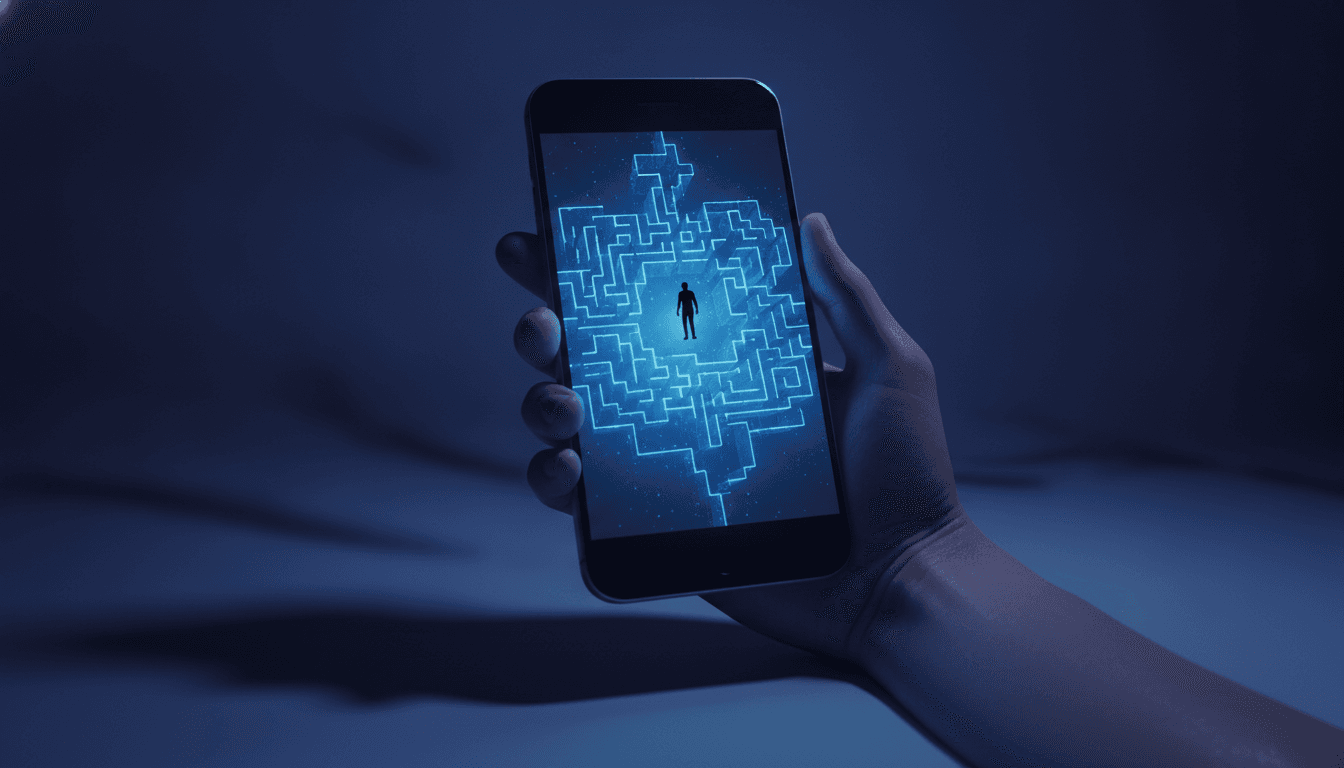
Why is it so hard to put down your phone? It's not a personal failing. It’s not a lack of willpower. It's a success of their design. These platforms are engineered from the ground up to be persuasive, borrowing tricks from casino slot machines and behavioral psychology to keep you scrolling. This is exactly how the attention economy works. Those features that seem so fun or convenient are really just sophisticated tools to keep you locked in.
Think about the mechanics you use every day:
- Infinite Scroll: Instagram and TikTok have no bottom. They've eliminated any natural stopping point, which removes your chance to pause and ask, "Is this really how I want to spend my time?" Instead, you just keep going. And going.
- Push Notifications: That little red dot is the modern Pavlovian bell. A buzz in your pocket. These alerts are external triggers, designed to shatter your train of thought and drag you back into an app with the promise of a fresh like or comment. It works because the fear of missing out (FOMO) is a hell of a drug. But the average user gets bombarded with 46 of these a day, leading to a fatigue where our brains just resent the constant interruption.
- Variable Rewards: The pull-to-refresh gesture is a slot machine lever. Pull it down, and you might get a juicy piece of gossip, a great video, or nothing interesting at all. That unpredictability—that variable reward—is what creates the compulsion, keeping you coming back for one more spin, hoping for a dopamine hit.
None of this is accidental. Every feature is refined through relentless A/B testing, pitting versions against each other to see which one squeezes out a few more seconds of engagement. It’s the scientific method applied to addiction. Just ask Tristan Harris, a former Design Ethicist at Google. Now co-founder of the Center for Humane Technology, he's one of the loudest voices exposing these manipulative practices. As he argued in the Netflix doc The Social Dilemma, a few tech designers in California are steering the thoughts of billions.
The High Price of 'Free': What's at Stake?
This isn't harmless. The ceaseless battle for our attention has consequences that go far beyond a few wasted hours. This gets to why apps want your attention in the first place—because monetizing it has some ugly side effects. The Center for Humane Technology warns that the system is degrading our well-being, skewing our perception of the world, and fraying our mental health. It gets worse. A 2025 study in Cureus on the neurobiology of social media found that these algorithms, built to glue you to the screen, can foster a dependency that looks a lot like substance addiction by literally rewiring the brain's dopamine pathways.
The algorithms choosing what you see don't care about truth. Or nuance. Or your happiness. They care about one thing: engagement. That singular focus creates a cascade of dangerous problems:
- The Spread of Misinformation: What grabs attention best? Outrage. Shock. Emotion. Lies, it turns out, travel faster than truth. So algorithms designed to maximize clicks will inevitably amplify misinformation and conspiracy theories because they're great at hooking people.
- Erosion of Cognitive Autonomy: In his book Stand Out of Our Light, James Williams, another ex-Googler, argues that the attention economy systematically distracts us from our own lives and goals. It makes deep thinking harder. It makes it harder to even decide what you want for yourself. We risk becoming puppets to unseen commercial forces.
- Mental Health Impacts: The constant performance, the social comparison, the curated perfection—it’s all been linked to soaring rates of anxiety, depression, and loneliness, especially among younger users. The system is designed to prey on our vulnerabilities, and it takes a toll.
On top of all that, the system's structure creates a 'filter bubble.' The algorithm learns what you like and just feeds you more of the same, narrowing your information diet and insulating you from different points of view. It’s a recipe for political polarization. Remember the early promise of a connected global village? This isn't it. A topic explored in The Real History of the Internet, From ARPANET to Now.
Navigating a World Designed to Distract
So, what can you do? Understanding the attention economy meaning is the first move. It's not about ditching technology. It's about being intentional with it. The platforms themselves aren't evil, but their business model creates powerful incentives that often work directly against your best interests. Seeing that dynamic clearly is how you start to engage on your own terms.
You can fight back. Turn off non-essential notifications. Set time limits on apps. Consciously decide who you follow. These are small acts of resistance. It’s about making the shift from being a passive consumer of whatever the algorithm serves up to being the active director of your own focus. For more on the polluted information environment, see You Can't Trust Your Eyes Online Anymore.
Nobody's debating whether this is real anymore. The question is what to do about it. Regulators are finally starting to look at the damage, with some estimates suggesting these impacts could shave 2 to 3 percentage points off long-term GDP. But as critics like Tim Wu point out, old-school antitrust laws don't work well when the currency isn't price, but attention. The future might bring new rules or a shift toward business models—like subscriptions—that tie a company's success to a user's well-being, not their screen time. Until then, your attention is the most valuable commodity in the world. Where you decide to spend it might be the most important choice you make all day.
Related Articles


This article was produced with AI assistance under human direction, and reviewed and fact-checked by a named editor before publication. How we work.
Frequently asked questions
- What is the attention economy in simple terms?
- The attention economy is a system where human attention is treated as a scarce and valuable resource. In our information-rich world, companies compete to capture your limited focus. Platforms like social media offer free services to you, and then sell your attention to advertisers who want to show you their products.
- Who invented the idea of the attention economy?
- The concept was first theorized by Nobel Prize-winning economist and psychologist Herbert A. Simon in 1971. He observed that a wealth of information creates a poverty of attention, making that attention a scarce resource that needs to be allocated efficiently.
- How do apps and websites capture your attention?
- They use persuasive design techniques to keep you engaged. This includes features like infinite scrolling that removes stopping points, push notifications that trigger a fear of missing out, and variable rewards (like a pull-to-refresh feed) that work like a slot machine to keep you coming back for more.
- Why is the attention economy considered harmful?
- Critics argue the relentless competition for attention has negative side effects. It can lead to the spread of misinformation (as shocking content gets more engagement), increased mental health issues like anxiety and addiction, and a decline in our ability to focus and think deeply.
Sources & further reading
Sources
- wikipedia.org — en.wikipedia.org
- georgetown.edu — law.georgetown.edu
- coursera.org — coursera.org
- globisinsights.com — globisinsights.com
- amazon.com — advertising.amazon.com
- attentionethics.com — attentionethics.com